
June 2026

Writing for Social Media

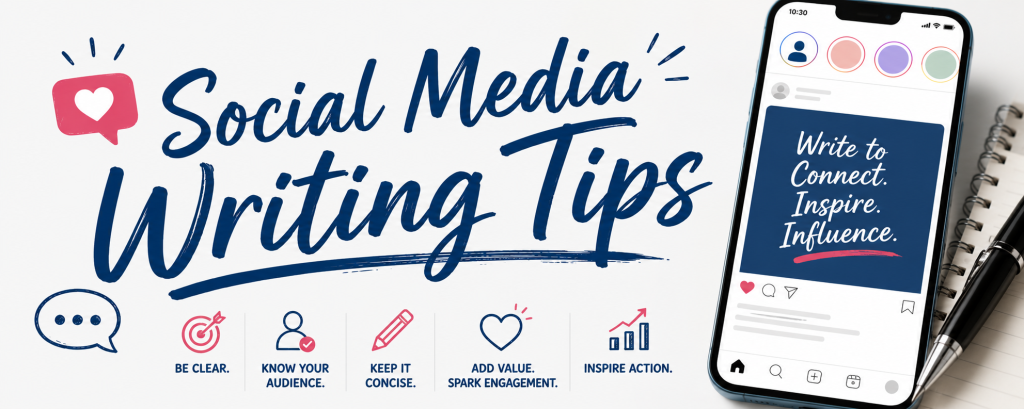
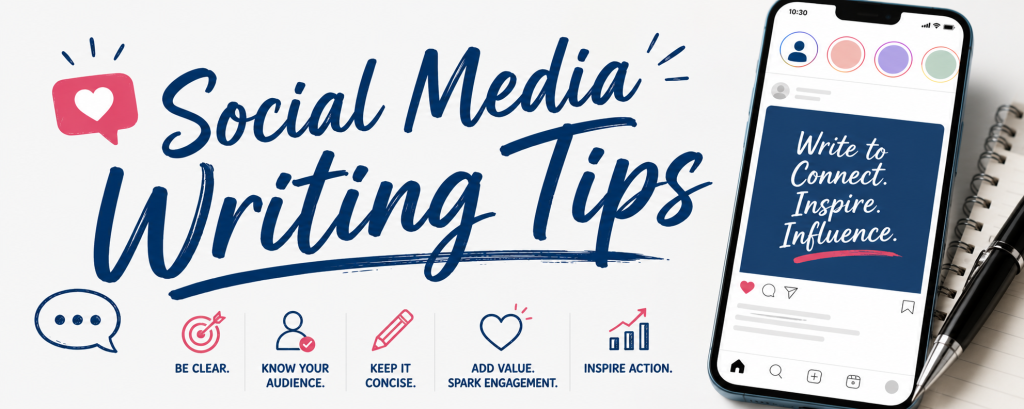
Writing for Social Media: Best Practices for Creating Shareable Content for Your Audience to Boost Engagement – Prowriterteam

Social media has become one of the most powerful tools for building brand awareness, generating leads, and fostering meaningful relationships with audiences. However, simply posting content is no longer enough. With millions of posts competing for attention every day, businesses and creators must learn how to craft social media content that is engaging, shareable, and memorable.

The most successful social media content does more than attract likes—it starts conversations, encourages shares, and inspires action. Whether you’re promoting a business, building a personal brand, or growing an online community, understanding the principles of engaging content creation can dramatically improve your results.

Why Social Media Engagement Matters

Engagement is the foundation of social media success. Likes, comments, shares, saves, clicks, and mentions all signal that your audience finds value in your content. High engagement often leads to greater visibility through platform algorithms, helping your content reach more people organically.

For businesses, engaging content offers several benefits:

  • Builds stronger relationships with customers
  • Increases brand awareness and recognition
  • Drives website traffic and lead generation
  • Supports SEO and broader marketing efforts
  • Establishes authority and thought leadership
  • Encourages customer loyalty and advocacy
  • Improves conversion rates and sales

The more your audience interacts with your content, the more opportunities you have to grow your brand and achieve your marketing goals.

Understanding What Makes Content Shareable

Shareable content is content that people feel compelled to pass along to their friends, followers, or professional networks. It usually evokes an emotional response, provides value, solves a problem, or entertains the audience.

Before creating content, ask yourself:

Would I stop scrolling to read this?

If the answer is no, your audience likely won’t either.

Great social media content typically includes:

  • Relevance to the audience
  • Clear messaging
  • Emotional connection
  • Useful information
  • Strong visuals
  • Authenticity
  • Easy-to-understand language

When these elements come together, your content becomes significantly more likely to generate engagement and shares.

Start with a Deep Understanding of Your Audience

The most successful social media strategies begin with audience research.

Knowing your audience means understanding:

  • Their interests
  • Their challenges
  • Their goals
  • Their values
  • Their online behavior
  • Their preferred content formats

Go beyond demographics and explore what truly motivates your audience. Analyze comments, social media analytics, surveys, and customer feedback to discover what matters most to them.

Creating detailed buyer personas can help you visualize your ideal audience and tailor content specifically to their needs.

When your content feels personal and relevant, engagement naturally increases.

Use Curiosity to Capture Attention

Social media users scroll quickly. You often have only a few seconds to earn their attention.

One of the most effective techniques is opening with curiosity.

Examples include:

  • “Most businesses make this social media mistake…”
  • “What if one simple change could double your engagement?”
  • “Here’s the reason your posts aren’t getting shared.”

Questions, surprising facts, bold statements, and intriguing insights encourage readers to stop scrolling and continue reading.

Your opening line acts as your hook. Without it, even excellent content may go unnoticed.

Tell Stories That People Relate To

Storytelling remains one of the most powerful communication tools available.

People may forget statistics and features, but they remember stories.

Effective social media storytelling can include:

  • Customer success stories
  • Personal experiences
  • Behind-the-scenes moments
  • Lessons learned
  • Brand journeys
  • Transformations and case studies

Stories help humanize your brand and create emotional connections.

Rather than simply telling people what you do, show them how your product, service, or expertise changes lives.

Focus on Solving Real Problems

The best-performing social content addresses genuine audience challenges.

Ask yourself:

  • What questions does my audience frequently ask?
  • What frustrations do they experience?
  • What solutions can I provide?

Educational content consistently performs well because it offers immediate value.

Examples include:

  • How-to guides
  • Quick tips
  • Industry insights
  • Tutorials
  • Frequently asked questions
  • Step-by-step instructions

When people find your content useful, they are more likely to save, share, and return for future content.

Create High-Quality Visual Content

Social media is inherently visual.

Research consistently shows that posts containing images, videos, graphics, and infographics outperform text-only posts.

Strong visuals should be:

  • High quality
  • Relevant to the message
  • Easy to understand
  • Consistent with your brand
  • Mobile-friendly

Videos deserve special attention because they often generate the highest engagement across platforms.

Short-form video content, tutorials, product demonstrations, and behind-the-scenes footage can significantly increase audience interaction.

Write Compelling Headlines and Captions

A great caption can determine whether users engage or continue scrolling.

Strong captions often:

  • Ask questions
  • Promise a benefit
  • Create curiosity
  • Share surprising information
  • Highlight a pain point
  • Include a clear call to action

Examples:

  • “3 mistakes that are killing your Instagram growth.”
  • “The social media strategy that doubled our traffic.”
  • “What’s your biggest content creation challenge?”

Keep captions concise, conversational, and audience-focused.

Maintain an Authentic Brand Voice

Authenticity has become one of the most valuable assets on social media.

Audiences can quickly recognize content that feels forced or overly promotional.

To build trust:

  • Be honest
  • Show personality
  • Share genuine experiences
  • Admit mistakes when appropriate
  • Speak like a human rather than a corporation

People engage with brands that feel relatable and transparent.

Encourage User-Generated Content

User-generated content (UGC) is one of the most effective ways to increase engagement and build credibility.

Encourage followers to:

  • Share reviews
  • Post testimonials
  • Tag your brand
  • Participate in challenges
  • Submit photos and videos

UGC creates social proof while making your audience feel valued and included.

It also provides a steady stream of authentic content that resonates strongly with potential customers.

Use Strategic Calls to Action

Never assume your audience knows what you want them to do next.

Include clear calls to action such as:

  • Comment below
  • Share your opinion
  • Save this post
  • Tag a friend
  • Visit our website
  • Download the guide
  • Register for the webinar

A strong CTA encourages interaction and increases engagement metrics.

Leverage Different Types of Content

Variety keeps your audience interested.

Consider incorporating:

1. Videos

Short-form and long-form videos remain among the highest-performing content formats.

2. Blog Content

Repurpose blog posts into social snippets, quotes, and summaries.

3. Case Studies

Show real-world success stories and results.

4. Infographics

Present complex information in an easy-to-digest format.

5. User-Generated Content

Build trust through customer experiences.

6. Industry News

Position your brand as an informed industry authority.

7. Podcasts

Reach audiences who prefer audio content.

8. Webinars

Educate audiences while generating leads.

9. eBooks

Provide valuable resources that establish expertise.

10. Behind-the-Scenes Content

Humanize your brand and build stronger connections.

Optimize Content for Each Platform

Different social media platforms require different approaches.

Facebook

  • Use engaging visuals
  • Ask questions
  • Encourage shares
  • Post videos regularly

Instagram

  • Focus on high-quality imagery
  • Use Stories and Reels
  • Incorporate relevant hashtags
  • Prioritize visual storytelling

X

  • Keep posts concise
  • Join trending conversations
  • Use minimal hashtags
  • Share timely insights

LinkedIn

  • Focus on professional expertise
  • Publish thought leadership content
  • Share industry insights
  • Highlight company culture

TikTok

  • Embrace trends
  • Use authentic video content
  • Prioritize entertainment
  • Encourage audience participation

Post at the Right Time

Even great content can underperform if posted when your audience isn’t active.

Use analytics tools to identify:

  • Peak engagement times
  • Audience activity patterns
  • High-performing content windows

Experiment with posting schedules and continuously optimize based on results.

Consistency is equally important. Regular posting helps maintain visibility and audience trust.

Measure What Matters

To determine whether your content is truly engaging, monitor key metrics such as:

  • Engagement rate
  • Social shares
  • Comments
  • Saves
  • Click-through rate
  • Website traffic
  • Conversion rate
  • Follower growth

Data helps identify what resonates with your audience and what needs improvement.

Use these insights to refine your strategy over time.

Common Challenges in Social Media Content Creation

Many marketers face obstacles including:

  • Limited resources
  • Budget constraints
  • Content fatigue
  • Increasing competition
  • Constant algorithm changes

The solution is strategic planning, consistency, and a focus on delivering genuine value.

Brands that prioritize audience needs and continuously adapt to trends often outperform competitors regardless of budget size.

Final Thoughts

Creating shareable social media content isn’t about chasing viral moments. It’s about consistently delivering value, building trust, and fostering meaningful connections with your audience.

Start by understanding your audience deeply. Use storytelling to create emotional connections. Focus on solving real problems. Pair compelling visuals with strong captions and clear calls to action. Most importantly, remain authentic and continually analyze performance data to improve your strategy.

When you combine creativity, audience insight, and consistency, your social media content becomes more than just another post—it becomes a powerful tool for engagement, growth, and long-term business success.

Importance of Clarity in Writing

Clarity in Writing: Techniques to Enhance Readability – Prowriterteam

In a world overflowing with information, attention has become one of the most valuable commodities. Whether you’re writing a business proposal, an academic paper, a marketing campaign, a blog post, or an email, your success depends on one critical factor: clarity.

Clarity in writing is the ability to communicate ideas in a way that readers can quickly understand without confusion or misinterpretation. It transforms complex concepts into accessible information, helping readers grasp your message, take action, and trust what you’re saying.

The best writing isn’t necessarily the most sophisticated or packed with complex vocabulary. Instead, it’s the writing that delivers the right message to the right audience in the simplest and most effective way possible.

This article explores why clarity matters, the consequences of unclear communication, and practical techniques you can use to improve readability and strengthen your writing.

What Is Clarity in Writing?

Clarity in writing means expressing ideas clearly, concisely, and accurately. A clear piece of writing leaves little room for ambiguity and helps readers understand exactly what the writer intends to communicate.

Clear writing involves:

  • Using plain and straightforward language
  • Avoiding unnecessary jargon and technical terms
  • Organizing ideas logically
  • Presenting information in a reader-friendly format
  • Providing enough detail without overwhelming the audience
  • Maintaining a consistent tone and style

When clarity is prioritized, readers spend less time decoding information and more time understanding and engaging with your message.

Why Clarity Matters

Writing exists for one purpose: communication. If readers cannot understand your message, even the most brilliant ideas lose their impact.

Clear communication offers several important benefits:

Improves Understanding

Readers can quickly grasp your message when information is presented logically and simply. This reduces confusion and increases comprehension.

Builds Credibility

People are more likely to trust writers who communicate clearly. Clear writing demonstrates confidence, expertise, and professionalism.

Saves Time

Readers appreciate content that gets to the point. Clear writing eliminates unnecessary complexity and helps audiences find the information they need quickly.

Encourages Action

Whether you’re asking customers to make a purchase, students to understand a concept, or colleagues to complete a task, clarity increases the likelihood that readers will respond appropriately.

Enhances Accessibility

Plain language makes information available to a wider audience, regardless of education level, industry knowledge, or reading ability.

The High Cost of Unclear Communication

Poor communication doesn’t just frustrate readers—it can have significant financial and operational consequences.

Research into business communication has shown that organizations lose substantial amounts of time and productivity when employees struggle to interpret poorly written content. Workers spend valuable hours clarifying instructions, correcting misunderstandings, and seeking additional explanations.

Beyond wasted time, unclear communication can result in:

  • Lost sales opportunities
  • Customer dissatisfaction
  • Increased support requests
  • Negative reviews
  • Reduced employee productivity
  • Damaged brand reputation
  • Lower customer retention

When customers cannot understand your products, services, or instructions, they often turn to competitors who communicate more effectively.

Common Characteristics of Vague Writing

Vague writing leaves readers with unanswered questions. Consider the following examples:

Vague:

“I was told to make some changes to my report.”

Readers may wonder:

  • Who gave the instruction?
  • What changes are needed?
  • Why are changes required?

Clear:

“My supervisor asked me to revise the financial analysis section of the report to include updated sales figures.”

The second sentence provides specific information that eliminates confusion.

Other signs of vague writing include:

  • Generic language
  • Excessive filler words
  • Missing details
  • Poor organization
  • Undefined pronouns
  • Broad generalizations
  • Overuse of jargon

Eight Benefits of Clear Writing

1. Improves Customer Experience

Customers appreciate communication that respects their time. Clear instructions, product descriptions, and support materials make interactions smoother and more satisfying.

2. Encourages Customer Loyalty

When customers consistently receive understandable information, they feel informed and valued. This strengthens trust and long-term loyalty.

3. Reduces Frustration

Consumers don’t want to spend time deciphering complicated instructions or confusing website content. Clear communication removes unnecessary obstacles.

4. Eliminates Friction

Every confusing touchpoint in the customer journey creates potential problems. Clarity helps customers move smoothly from awareness to purchase and beyond.

5. Decreases Product Issues

Clear product information, onboarding materials, and troubleshooting guides help users understand how products work and how to solve problems.

6. Saves Time

When information is easy to find and understand, customers require less support and fewer follow-up explanations.

7. Creates Competitive Advantage

Companies that communicate effectively often provide better customer experiences, helping them stand out in crowded markets.

8. Saves Money

Reduced misunderstandings, fewer support requests, improved productivity, and increased customer retention all contribute to lower operating costs and higher profitability.

Techniques to Improve Clarity and Readability

Keep Sentences Short

Long sentences often contain multiple ideas, making them difficult to follow.

Difficult:

“Considering the various factors that influence customer satisfaction, including product quality, support responsiveness, pricing structures, and user experience, organizations should continuously evaluate performance metrics to identify opportunities for improvement.”

Better:

“Several factors influence customer satisfaction. These include product quality, support responsiveness, pricing, and user experience. Organizations should regularly evaluate these areas to identify improvements.”

Shorter sentences are easier to process and understand.

Use Simple Language

Complex vocabulary does not automatically make writing better.

Instead of:

  • Utilize → Use
  • Commence → Start
  • Facilitate → Help
  • Demonstrate → Show

Simple language improves accessibility and comprehension.

Avoid Unnecessary Jargon

Specialized terminology may be appropriate for expert audiences, but it can confuse general readers.

Always consider your audience’s knowledge level before using technical language.

If specialized terms are necessary, explain them clearly.

Lead With the Main Point

Readers should immediately understand the purpose of your message.

Weak:

“After considering various market conditions and reviewing several data sources, we have concluded that…”

Strong:

“Sales increased by 25% this quarter.”

Present key information first, then provide supporting details.

Use Active Voice

Active voice makes writing more direct and engaging.

Passive:

“The report was completed by the marketing team.”

Active:

“The marketing team completed the report.”

Active voice typically improves clarity and readability.

Organize Information Logically

Structure helps readers follow your ideas.

A strong structure often includes:

  1. Introduction
  2. Main point
  3. Supporting evidence
  4. Examples
  5. Conclusion

Headings, subheadings, and transitions further improve navigation.

Be Specific

Specific language reduces ambiguity.

Vague:

“I took a writing course.”

Specific:

“I completed an advanced screenwriting workshop.”

The more precise your language, the less likely readers are to misunderstand.

Remove Filler Words

Words such as:

  • Really
  • Very
  • Just
  • Quite
  • Totally

often add little value.

Weak:

“The presentation was very effective.”

Strong:

“The presentation increased sales inquiries by 30%.”

Specific details are more powerful than vague intensifiers.

Clarity in Academic Writing

Academic writing presents unique challenges because it often involves complex theories, data, and specialized terminology.

Many scholars mistakenly assume complexity equals expertise. In reality, clear academic writing demonstrates a deeper understanding of a subject.

Effective academic writing includes:

  • Logical structure
  • Clear argument progression
  • Accurate terminology
  • Concise explanations
  • Transparent methodology
  • Strong transitions

The goal is not to oversimplify ideas but to communicate them effectively.

How Storytelling Improves Clarity

Storytelling can make information easier to understand and remember.

Stories:

  • Create emotional connections
  • Provide context
  • Illustrate abstract concepts
  • Increase engagement

Instead of presenting isolated facts, use examples, case studies, and narratives to demonstrate key points.

Readers often remember stories long after they forget statistics.

Structure Matters as Much as Language

Even well-written sentences can become confusing if they are poorly organized.

One effective approach is the inverted pyramid structure, commonly used in journalism:

  1. Most important information first
  2. Supporting details second
  3. Background information last

This allows readers to grasp essential information immediately.

Additional formatting techniques include:

  • Bullet points
  • Numbered lists
  • Clear headings
  • Short paragraphs
  • Visual elements

These features improve readability and help readers scan content quickly.

The Role of Editing in Achieving Clarity

Great writing rarely emerges in the first draft.

Editing is where clarity is refined.

When reviewing your work, ask:

  • Is the main point obvious?
  • Are there unnecessary words?
  • Could a simpler word replace a complex one?
  • Is every paragraph focused on one idea?
  • Will readers understand the message immediately?

Reading your work aloud can also reveal awkward phrasing and confusing sentences.

Final Thoughts: Clarity Wins Every Time

Clarity is one of the most powerful writing skills you can develop. Whether you’re creating marketing content, academic research, business reports, or everyday communications, clear writing ensures your message reaches your audience exactly as intended.

Readers value writing that respects their time, answers their questions, and communicates ideas effectively. By using simple language, organizing information logically, avoiding jargon, and focusing on the reader’s needs, you can dramatically improve the impact of your writing.

The most effective writers are not those who use the biggest words or the most complicated sentences. They are the ones who make complex ideas simple, useful, and memorable.

In every form of communication, clarity is not merely a writing technique—it is the foundation of understanding, trust, and success.

How Persuasive Writing Creates Compelling Content

Persuasive Writing Creates Compelling Content: Prowriterteam Complete Guide to Engaging and Converting Readers

Every successful piece of content has one thing in common: it persuades readers to think, feel, or act in a specific way. Whether you’re writing a blog post, landing page, sales email, advertisement, or social media campaign, persuasive writing is the skill that transforms ordinary words into compelling content that drives results.

In today’s digital landscape, attention spans are shrinking while competition for audience engagement continues to grow. Simply presenting information is no longer enough. To stand out, content creators must learn how to influence readers through strategic communication, emotional connection, and evidence-based arguments.

This guide explores the art of persuasive writing, the techniques used by successful brands, and how you can create content that not only captures attention but also converts readers into customers, subscribers, or loyal followers.

What Is Persuasive Writing?

Persuasive writing is a form of communication designed to influence a reader’s beliefs, opinions, decisions, or actions. Unlike informative writing, which focuses solely on educating readers, persuasive writing aims to convince readers to adopt a particular viewpoint or take a specific action.

Persuasive writing appears in many forms, including:

  • Blog articles
  • Sales pages
  • Product descriptions
  • Email marketing campaigns
  • Advertisements
  • Speeches
  • Editorials
  • Social media content

The ultimate goal is not merely to present information but to create a compelling case that resonates with the audience and motivates them to respond.

Why Persuasive Writing Matters in Content Marketing

Persuasive writing plays a crucial role in modern content marketing because it directly influences customer behavior.

Research highlights its effectiveness:

  • Website visitors read only about 20% of the content on a typical webpage.
  • Approximately 43% of readers skim blog posts rather than reading every word.
  • Emotionally-driven content tends to be more persuasive than purely logical arguments.
  • Persuasive writing techniques can increase conversions by as much as 86%.
  • Personalized calls-to-action can outperform generic CTAs by over 200%.
  • Persuasive content can significantly increase engagement and time spent on a page.

These statistics demonstrate a simple truth: content that persuades performs better than content that merely informs.

The Psychology Behind Persuasive Writing

Great persuasive writing works because it appeals to how people naturally make decisions.

Most purchasing decisions and behavioral changes are influenced by a combination of emotion and logic. Readers often feel first and justify later.

Effective persuasive content taps into:

Emotions

People are motivated by feelings such as:

  • Happiness
  • Fear
  • Curiosity
  • Trust
  • Excitement
  • Belonging

A compelling story can often influence readers more effectively than a list of facts.

Logic

While emotions initiate decisions, logic validates them.

Statistics, research findings, expert opinions, and case studies provide the evidence readers need to feel confident about their choices.

Trust

Readers are far more likely to accept your message when they perceive you as credible and knowledgeable.

Trust is built through:

  • Accurate information
  • Reliable sources
  • Expert insights
  • Customer testimonials
  • Transparency

The Three Pillars of Persuasive Writing

The most effective persuasive content relies on three classic principles of communication:

Ethos (Credibility)

Ethos focuses on establishing authority and trustworthiness.

Ways to build ethos include:

  • Citing reputable sources
  • Demonstrating expertise
  • Sharing professional experience
  • Including testimonials and reviews

When readers trust you, they are more likely to accept your message.

Logos (Logic)

Logos appeals to reason.

Examples include:

  • Statistics
  • Research studies
  • Data analysis
  • Expert opinions
  • Case studies

Logical arguments provide the evidence necessary to support your claims.

Pathos (Emotion)

Pathos appeals to emotions.

Common techniques include:

  • Storytelling
  • Relatable experiences
  • Vivid descriptions
  • Emotional language

Emotion helps readers connect with your message on a personal level.

The strongest content combines all three elements to create a balanced and persuasive argument.

Essential Techniques for Persuasive Writing

Understand Your Audience

Before writing anything, identify:

  • Their goals
  • Their frustrations
  • Their interests
  • Their motivations

The more you understand your audience, the more effectively you can tailor your message.

Ask yourself:

  • What problem are they trying to solve?
  • What outcome do they want?
  • What objections might they have?

Create Powerful Headlines

Your headline determines whether readers continue reading.

Strong headlines often:

  • Promise a benefit
  • Spark curiosity
  • Solve a problem
  • Present a clear outcome

Examples:

  • How Persuasive Writing Increases Conversion Rates
  • 10 Proven Writing Techniques That Drive More Sales
  • Why Most Content Fails to Convert—and How to Fix It

Focus on Benefits, Not Features

One of the most common mistakes in content creation is focusing on features rather than outcomes.

Instead of saying:

“Our software includes advanced analytics.”

Say:

“Our software helps you identify growth opportunities and increase revenue.”

Readers care more about what a product does for them than what it contains.

Use Storytelling

Stories make information memorable.

Storytelling helps readers:

  • Relate to your message
  • Visualize outcomes
  • Build emotional connections
  • Remember key points

Many successful brands use storytelling because it humanizes their message and makes it more persuasive.

Support Claims with Evidence

Readers are skeptical of unsupported claims.

Strengthen your arguments with:

  • Research findings
  • Industry statistics
  • Expert quotes
  • Customer success stories
  • Real-world examples

Evidence builds credibility and reinforces trust.

Leverage Social Proof

People often look to others before making decisions.

Social proof includes:

  • Testimonials
  • Reviews
  • Case studies
  • User-generated content
  • Customer success stories

Showing that others have achieved positive results increases confidence and reduces perceived risk.

Create Urgency

Urgency motivates action.

Common methods include:

  • Limited-time offers
  • Limited availability
  • Exclusive opportunities
  • Deadlines

When readers believe they may miss out, they are more likely to act immediately.

Dr. Robert Cialdini’s Six Principles of Persuasion

One of the most influential frameworks in persuasive communication comes from psychologist Dr. Robert Cialdini.

His six principles include:

Reciprocity

People tend to return favors.

Offering valuable content, free resources, or helpful advice often encourages future engagement.

Commitment and Consistency

People prefer to remain consistent with previous actions and beliefs.

Small commitments can lead to larger actions over time.

Social Proof

People often follow the actions of others.

Reviews, ratings, and testimonials help reinforce trust.

Authority

Expertise increases credibility.

Industry certifications, awards, and thought leadership strengthen authority.

Liking

People are more easily persuaded by individuals and brands they like.

Authenticity and relatability are powerful assets.

Scarcity

Limited availability increases perceived value.

When something appears rare, demand often rises.

Successful Examples of Persuasive Writing

Apple

Apple consistently focuses on user benefits rather than technical specifications.

Its product descriptions emphasize:

  • Simplicity
  • Innovation
  • User experience
  • Lifestyle enhancement

This approach creates emotional appeal while reinforcing premium brand positioning.

Basecamp

Basecamp addresses common project management frustrations directly.

Their messaging focuses on:

  • Simplicity
  • Reduced stress
  • Improved collaboration

By speaking directly to customer pain points, Basecamp has built a loyal user base.

Everlane

Everlane uses transparency as its primary persuasive strategy.

The brand highlights:

  • Ethical manufacturing
  • Transparent pricing
  • Product quality

This builds trust and differentiates the company from competitors.

How to Structure Persuasive Content

A strong structure makes content easier to understand and more convincing.

Begin with:

  • A compelling hook
  • Relevant context
  • A clear thesis statement

Your opening should immediately capture attention.

Body Sections

Each section should:

  • Present one key argument
  • Include supporting evidence
  • Explain why it matters

Keep paragraphs focused and logical.

Address Counterarguments

Acknowledging opposing viewpoints strengthens credibility.

When readers see that you’ve considered alternative perspectives, your argument becomes more convincing.

Conclusion

End by:

  • Reinforcing your key message
  • Summarizing major points
  • Encouraging action

A strong conclusion leaves a lasting impression.

Common Persuasive Writing Mistakes

Avoid these frequent errors:

Making Unsupported Claims

Always provide evidence for major assertions.

Focusing Too Much on Features

Readers care about outcomes and benefits.

Ignoring Audience Needs

Content should address reader’s concerns rather than simply promoting products.

Overusing Emotional Appeals

Emotion should complement logic, not replace it.

Weak Calls-to-Action

Every persuasive piece should clearly tell readers what to do next.

How Persuasive Writing Improves Content Marketing Results

Persuasive writing helps marketers:

  • Increase conversions
  • Improve engagement
  • Build brand authority
  • Strengthen customer relationships
  • Increase trust
  • Generate more leads

By combining emotional appeal, logical reasoning, and credible evidence, persuasive content consistently outperforms generic messaging.

Final Thoughts

Persuasive writing is one of the most valuable skills in content marketing, business communication, and personal branding. It enables writers to influence decisions, inspire action, and build meaningful connections with audiences.

Successful persuasive content is never about manipulation. Instead, it is about understanding your audience, addressing their needs, presenting valuable solutions, and communicating with clarity and authenticity.

Whether you’re creating blog posts, sales pages, emails, advertisements, or social media content, mastering persuasive writing will help you attract attention, build trust, and achieve better results.

The most effective content creators understand that great writing does more than inform—it persuades. By applying the principles, strategies, and techniques outlined in this guide, you can create compelling content that engages readers, establishes authority, and drives meaningful action.